

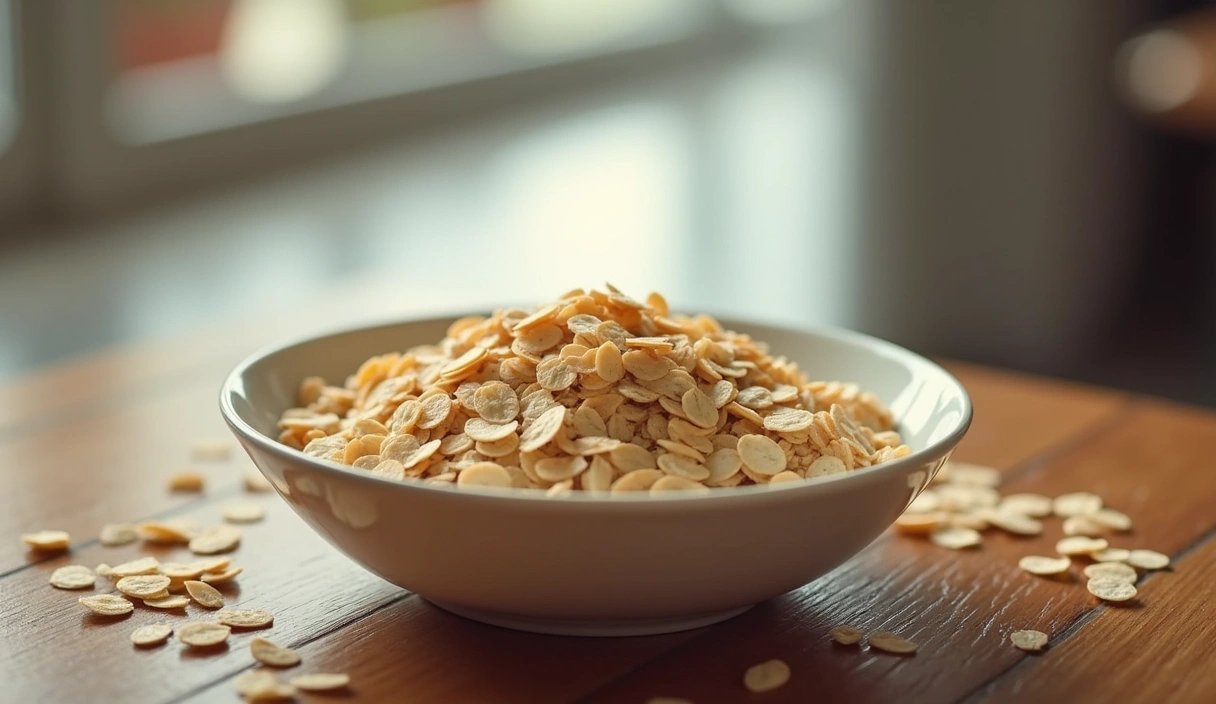
If you are looking for a simple way to support heart health, a bowl of oatmeal could be a good choice. It is affordable, easy to make, and new research suggests it is beneficial.
Oats are known to help lower cholesterol, but it is not just the fiber doing the work. Oats contain beneficial compounds called phenolics, which are bound to the oat’s fiber structure. The body cannot absorb them on its own.
Gut bacteria are needed. When you eat oats, gut bacteria break down the fiber and release these bound compounds. One key compound is ferulic acid, an antioxidant that appears to play a role in cholesterol metabolism. Once released, ferulic acid enters the bloodstream.
A randomized controlled trial published in Nature Communications found this effect. Both a short-term, high-dose oat diet of 300 grams of oats per day for two days and a six-week moderate intake of about 80 grams of oats per day significantly increased ferulic acid levels.
The high-dose approach also boosted levels of dihydroferulic acid, another beneficial metabolite produced when gut bacteria break down oats. This means more cholesterol-supporting compounds in the system.
The soluble fiber in oats, beta-glucan, helps by binding to cholesterol in the digestive tract. This research shows there is another mechanism involving the microbiome unlocking hidden benefits.
Oats are packed with fiber that feeds good gut bacteria. A healthy gut is connected to benefits like better digestion and heart health.
Oatmeal provides steady energy. The fiber and complex carbohydrates help keep blood sugar stable, unlike sugary cereals or pastries.
Oatmeal is versatile. It can be topped with berries, nut butter, seeds, or honey. Adding protein powder can make it more filling.
To get the most from oats, choose whole oats like steel-cut or rolled oats, which have more fiber than instant packets. Consistency matters, so making it a regular part of your diet is better than an occasional choice. Adding protein can help balance the meal and increase satisfaction. Creative toppings like fresh fruit, nuts, seeds, and cinnamon can improve the taste.
Oatmeal supports heart health, feeds the gut, and provides lasting energy. Adding protein powder can make it a more complete meal.
The study cited in this report is available online. Research into the specific mechanisms by which whole foods like oats impact long-term health is ongoing in the nutritional science field. Many dietary guidelines continue to emphasize the inclusion of whole grains as part of a balanced diet for cardiovascular wellness.
